




Choosing Sterile Gloves for EU GMP Annex 1 Cleanrooms: A Practical Guide
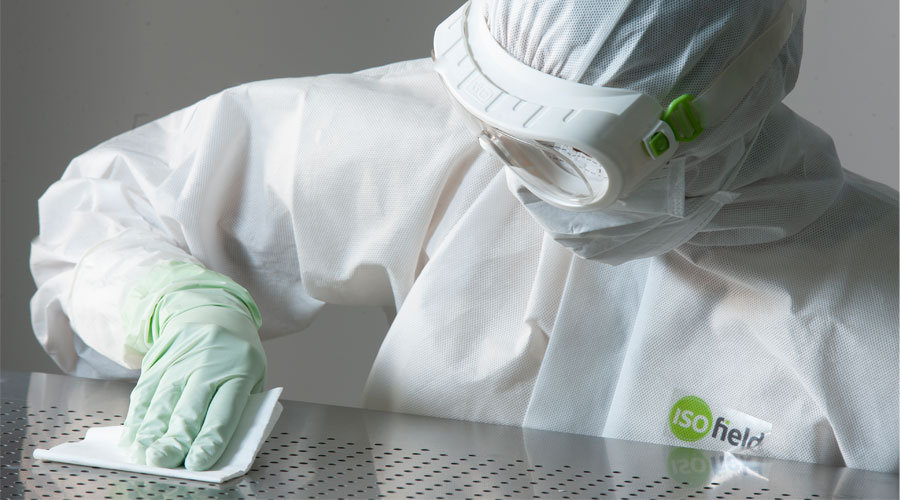
This guide is engineered for Pharmaceutical manufacturers operating under EU GMP Annex 1. It explains how to select, validate, qualify, and routinely manage sterile gloves for Grade A/B/C/D environments with concrete, inspection-ready details. Use it as a specification template, training aid, and procurement playbook.
1) Executive summary (what to choose, fast)
- Use disposable sterile gloves validated to a sterility assurance level (SAL) of 10-6 (e.g., gamma-irradiated).
- Material: cleanroom nitrile (low particulates/extractables); low protein sterile latex gloves where tactile acuity is critical and allergy risk is managed; avoid vinyl in Grades A/B.
- AQL <= 0.65 for pinholes (Type I defects).
- Endotoxin limit: target <= 20 EU/pair for aseptic processing.
- Particle/ionic cleanliness: certified per lot with Certificate of Analysis (COA).
- Length: 300–400 mm with beaded cuffs; use 400 mm+ where gown overlap is marginal.
- Surface: textured/micro-roughened for IPA / Ethanol handling.
- Packaging: pair-packed, walleted, sterile with lot-level irradiation and sterility certificates as
well as validation; designed for aseptic transfer. - Double-don protocol with sterile 70% IPA in-use disinfection at validated frequencies.
For Grades C/D, sterile gloves may still be required when handling sterilised components or high-risk operations; otherwise, non-sterile gloves may be acceptable where justified by risk assessment and SOPs.
2) What Annex 1 expects (and where gloves fit)
- Grades A/B: Sterile gloves are mandatory; regularly disinfect during operations and replace when compromised.
- Routine verification: Gloved fingertip sampling (pre/post) during media fills and routine monitoring; trend and act on recoveries.
- Isolators/RABS: Use sterile, validated gloves/gauntlets; perform integrity testing at defined intervals and after interventions.
- Training & qualification: Operators trained and periodically qualified in gowning and glove sanitization technique, including validated in-use disinfection.
Audit-ready tip: Map each Annex 1 clause related to gowning/gloving into your CCS and link to SOPs for selection, receipt, quarantine, release, in-use disinfection, replacement, EM, and deviations.
3) Materials comparison: sterile latex gloves vs nitrile vs vinyl
|
Type
|
Material
|
Barrier & durability
|
Chemical compatibility
|
Tactile sensitivity
|
Allergen risk
|
Typical use case
|
|---|---|---|---|---|---|---|
|
Sterile latex gloves
|
Natural rubber latex
|
Excellent elasticity; conforms to fingers
|
Moderate; avoid strong ketones/aromatics
|
Highest tactile acuity
|
Allergy risk (Type I)
|
Precision aseptic assembly
|
|
Sterile nitrile gloves
|
Synthetic nitrile rubber
|
High puncture/tear resistance; robust in wet IPA
|
Good vs many solvents, acids, chemotherapy agents, bases
|
Very good (slightly less than latex)
|
Latex-free (Type I & IV), if accelerator-free
|
Default for high-throughput aseptic lines
|
|
Sterile vinyl gloves
|
PVC
|
Lowest durability; higher tear risk
|
Poor–moderate; plasticizer migration risk
|
Low–moderate
|
Latex-free
|
Short tasks in Grades C/D; avoid for Grades A/B
|
Recommendation: In Annex 1 aseptic areas, favour sterile nitrile for the best overall balance; deploy sterile latex gloves for ultra-precision tasks when allergies are managed; generally avoid vinyl for critical aseptic operations.
4) Sterility & cleanliness specs to put in your URS
Include the following in your User Requirements Specification (URS) for disposable sterile
gloves:
1. Sterility: Gamma irradiation (ISO 11137) validated to SAL 10-6 provide lot-level Certificate of Sterility and routine dose audit reports.
2. Bioburden & Endotoxin: Pre-sterilisation bioburden limits trended (ISO 11737). Endotoxin 20 EU/pair.
3. Particulate & chemical reporting: Cleanroom-compatible processing/packaging; certificates for NVR/ions; silicone-free options if needed.
4. Physical quality: AQL <= 0.65 for pinholes; tensile strength/elongation per EN/ASTM; powder-free.
5. Design: Length minimum 300–400+ mm; beaded cuffs; ambidextrous or hand-specific; textured fingertips or full-palm texture; high-contrast color for breach detection where appropriate.
6. Packaging & labelling: Cleanroom HDPE, Easy Tear preferred over Peel Pouch, Pair-packed, walleted, double/triple-bagged for unidirectional transfer; clear lot/expiry, irradiation indicator, storage conditions.
7. Documentation: COA/COC/COP per lot (sterility, endotoxin, AQL, particulate); change control notifications; shelf-life and stability data.
5) Double-don strategy & in-use disinfection (with examples)
8. Don gown per SOP; sanitize hands.
9. Don inner sterile glove (e.g., Green).
10. Apply sterile 70% IPA (contact time per label) without over-wetting seams.
11. Don outer sterile glove (e.g., White).
12. Disinfect outer gloves at defined frequency: at entry to Grade B/A, before critical manipulations, after touching non-product-contact surfaces, and every 15–30 minutes (as validated).
13. Replace outer glove if torn/soiled or after defined maximum wear time (e.g., 2–4 hours); replace inner glove per shift or upon compromise.
Isolators/RABS: Define gauntlet maximum use time and integrity test
6) Choosing between sterile nitrile vs sterile latex in Annex 1 operations
- Frequent solvent/IPA handling, opt for sterile nitrile.
- Microsurgical dexterity needed opt for Consider sterile latex gloves; manage allergy risk, check protein reporting.
- High tear/puncture risk opt for Sterile nitrile cuff at 0.10-0.12 mm with textured palm and or fingers.
- Extended wear/perspiration opt for Low-modulus sterile nitrile. Avoid inner coatings due to particulation risk.
7) Thickness, cuff length, and texture—how to specify
- Thickness: 0.10 mm for tactile acuity; 0.12+ mm for durability.
- Cuff length: Minimum 300mm; increasingly 400mm preferred by external auditors where sleeve overlap risk exists.
- Texture: Fingertip texture for instruments; full-palm texture for vial/stopper grip in wet IPA.
8) Cleanroom grades and glove policy examples
- Grade A: Cleanroom Sterile gloves mandatory; double-don; frequent disinfection; immediate change on compromise; fingertip monitoring per batch/shift.
- Grade B: Cleanroom Sterile gloves; routine disinfection; time/event-based changes.
- Grades C/D: Risk-based. Cleanroom Sterile gloves when handling sterilized components or open product-contact parts; otherwise high-quality non-sterile gloves acceptable per CCS and SOPs.
9) Compliance pack: what your QA will ask for
- Validation packs (full product data, design, testing, packaging)
- Vendor Quality Agreement (sterilization, change control, notifications).
- Lot CoA/CoC: sterility/SAL, AQL, particulate/endotoxin, physical properties.
- Irradiation validation summary and dose audits.
- Shelf-life and packaging integrity studies; transit/shipping validation.
- Allergen labeling and latex-free statements where applicable.
- REACH, Prop 65 ROHS and extractables/leachables statements upon request.
10) Frequently asked questions
Q: Are non-sterile gloves acceptable in any Annex 1 area?
A: In Grades C/D, yes—if risk assessment shows no impact on product sterility and no exposed sterilized parts are handled. In Grades A/B, use sterile gloves.
Q: What AQL should we specify?
A: For aseptic operations, ≤ 0.65 is commonly specified to minimize breach risk; align with risk tolerance and validation data.
Q: Latex vs nitrile for aseptic assembly?
A: If maximum tactile acuity is critical and no latex sensitivity exists, sterile latex gloves perform well. Otherwise, sterile nitrile provides a strong balance with IPA compatibility.
Q: How often should we disinfect gloves?
A: Define frequencies via SOPs (e.g., entry to higher grade, before critical tasks, after touching non-critical surfaces, every 15–30 minutes) and verify via EM trends and media fills.
Q: What about EtO-sterilized gloves?
A: Unacceptable even if vendor meets ISO 11135/10993-7 and provides residual data. EtO implies paper packaging due to sterilization modality, and no paper packaging should be in A/B, C or D environments.
11) Selection matrix and URS template
|
Process scenario
|
Recommended glove
|
Notes
|
|---|---|---|
|
Aseptic filling (wet IPA, stoppering)
|
Sterile nitrile, textured, cuff 0.10–0.12 mm, 400 mm
|
Double-don; disinfect frequently
|
|
Aseptic micro-assembly
|
Sterile latex gloves, textured fingertips, 0.10 mm
|
Confirm no latex sensitivity; monitor fingertip EM
|
|
Component prep in Grade B
|
Sterile nitrile, 300 mm
|
Outer glove changes at defined intervals
|
|
Grades C/D equipment handling
|
High-quality non-sterile gloves (nitrile), 300 mm
|
Sterile when handling sterilized parts
|
|
Isolator/RABS gauntlet use
|
Validated sterile gauntlets + disposable sterile gloves (outer layer)
|
Integrity test gauntlets; event/time-based outer-glove changes
|
URS excerpt you can paste into procurement brief:
- Disposable sterile gloves, SAL 10-6 (gamma preferred), AQL <= 0.65, endotoxin <= 20 EU/pair.
- Material: nitrile (primary); latex option for precision tasks; vinyl excluded for Grades A/B.
- Powder-free, low NVR/ions; pair-packed, walleted, double-bagged.
- Length >= 300 mm (>= 400 mm where indicated); textured fingertips/palm.
- Lot documentation: CoA (sterility, AQL, endotoxin, particulate), irradiation certificate, expiry, storage.
- Standards: ISO 11137/11135/10993-7, ISO 11737, EN 455/ISO 21420, EN ISO 374 (where applicable).
- Supplier QA: change control, CoA availability within 24 h, annual review meeting.
12) Common pitfalls and how to avoid them
- Specifying only “sterile gloves” without AQL/endotoxin/cleanliness criteria. Request Sterile Cleanroom Gloves.
- Single-don policy in aseptic filling instead of double-don with contrasting colors.
- Ignoring cuff length leading to wrist/forearm exposure during reach-in tasks.
- Unvalidated disinfection frequency (too infrequent or excessive).
- Latex sensitivity not managed with alternatives and surveillance.
- Mixing brands/lots within a shift complicating deviations and trending.
13) How Isofield helps (and what to ask us for)
Isofield — Leading Manufacturer of Sterile Gloves
- Disposable sterile gloves with SAL 10-6, AQL <= 0.65, low endotoxin, and cleanroom-ready pair-packed, walleted, double-bagged presentation.
- Options: sterile nitrile (standard and high-dexterity, white and Green for color contrast), sterile latex gloves for precision tasks, and controlled non-sterile gloves for Grades C/D per risk assessment.
- Full lot traceability and CoA delivery with each shipment.
Evaluation support: Request our free sample kit (nitrile + latex variants, 300/400 mm, textured options). Our technical team will help align SOPs for double-don and in-use disinfection to Annex 1 expectations.
14) Glossary (quick refresher for QA and Operators)
AQL: Acceptance Quality Limit; lower value = tighter pinhole control.
CCS: Contamination Control Strategy; site-wide plan integrating gowning/gloving controls.
Endotoxin: Pyrogenic LPS; gloves for aseptic work should have low EU/pair levels.
IPA: Isopropyl alcohol; generally use 70/30 sterile product for glove disinfection.
SAL: Sterility Assurance Level; probability of a non-sterile unit (10-6 for terminal sterilization).
URS: User Requirements Specification; your technical purchase spec.